Zen2Fit.
Zen2Fit is a personalized fitness video coaching app built from scratch. The brief called for something that felt personal from the first session: onboarding that captured user goals, workouts that adapted to them, and video content that was accessible to users of all abilities. We designed the full experience, from initial setup through daily routines, with gamification and feedback loops built in from the start.
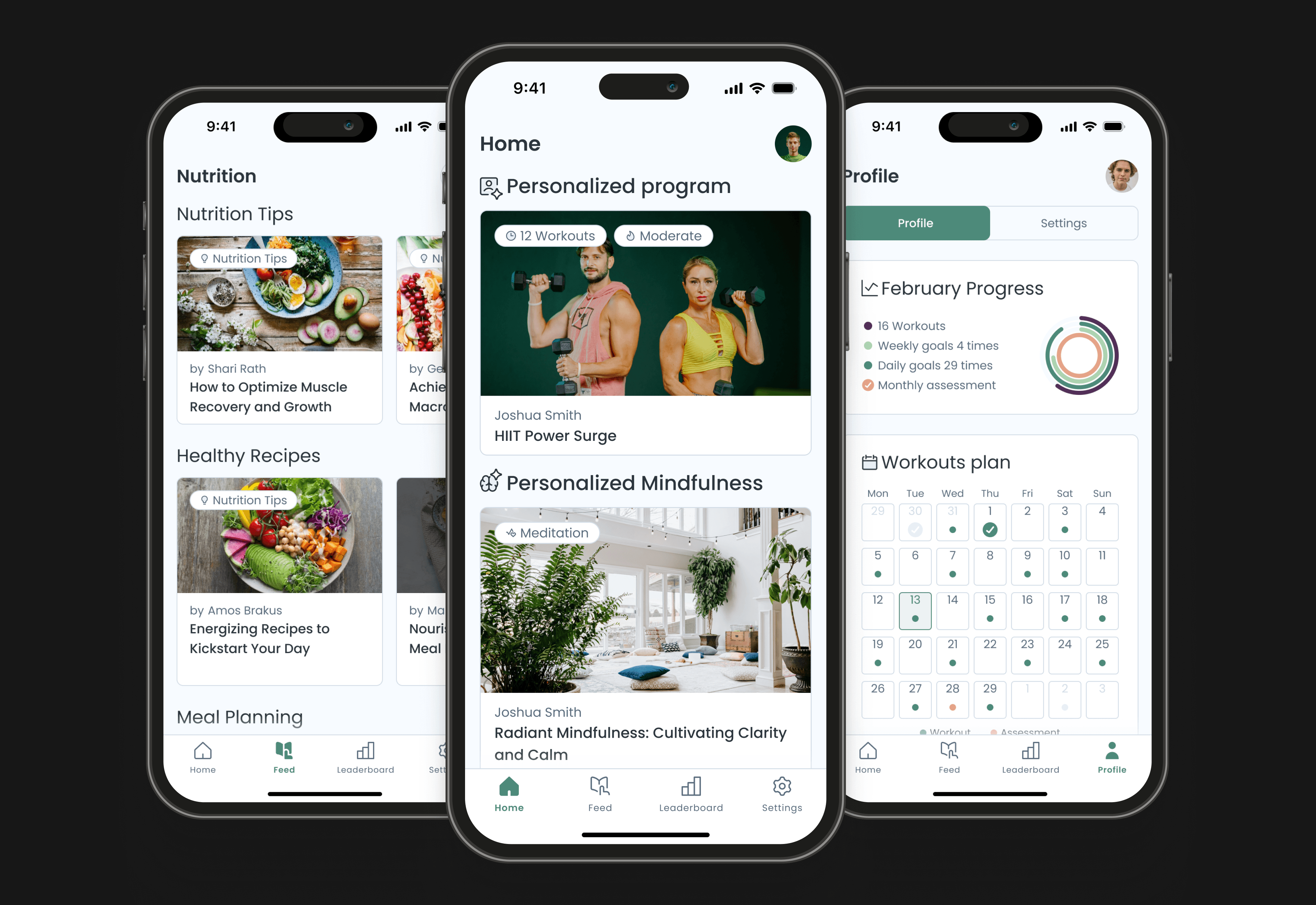
Building a fitness video coaching app in a crowded market meant getting the fundamentals right from session one: personalised content, accessible video, and navigation that helps users find the right workout fast.
End-to-end UX: research synthesis, onboarding architecture, navigation design, accessibility audit, and gamification design.
Designed onboarding that captures user goals from the start and personalises the experience from session one
Made accessibility a first-class requirement: subtitles, high contrast, audio descriptions across all video content, tested with users of diverse abilities
Gamification layer (leaderboards, milestones, achievements) built in from day one to reinforce daily return habits
Set up in-app feedback loops and analytics tracking so post-launch improvements are grounded in real usage data
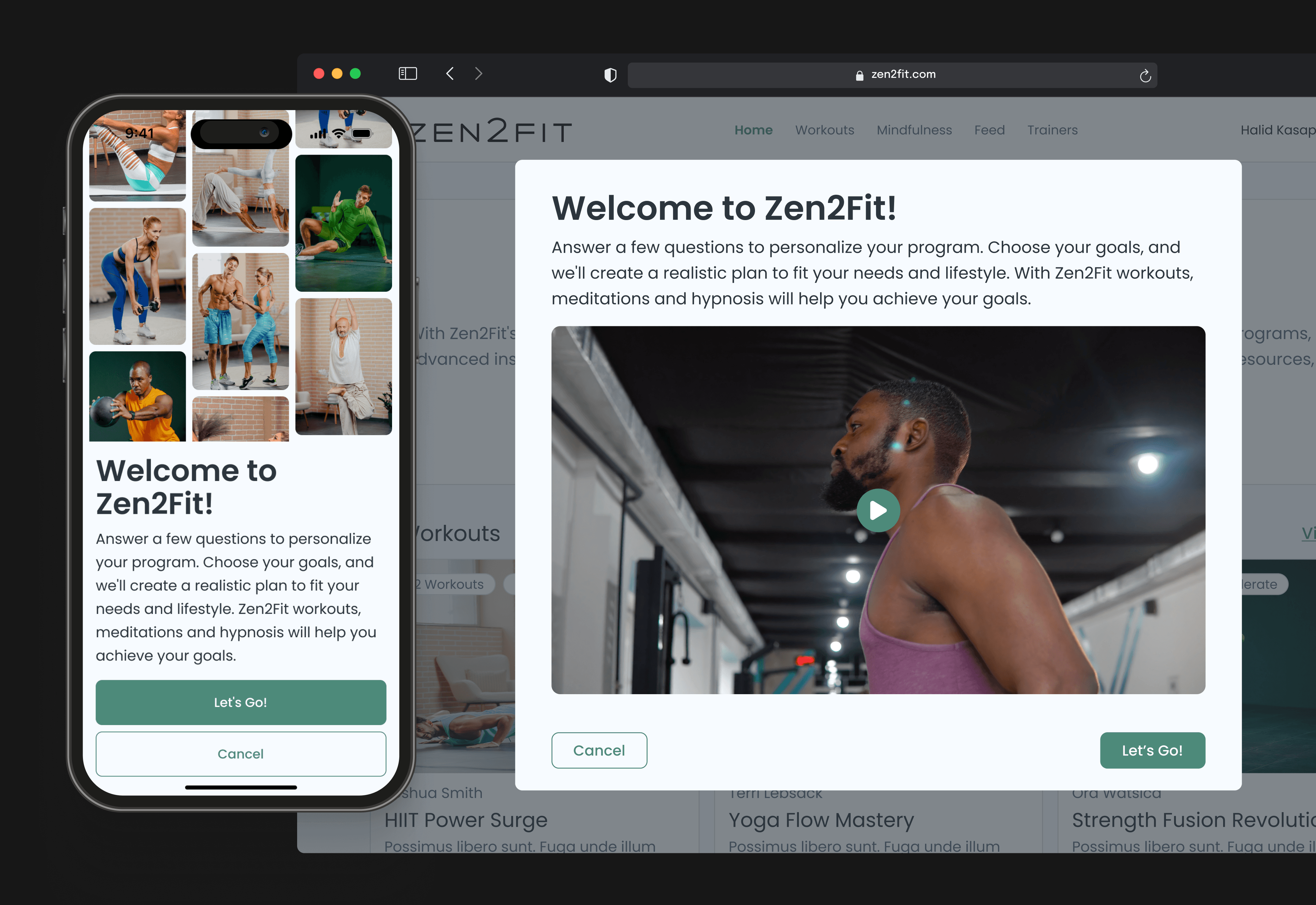
Streamlined Onboarding Process
We designed onboarding to capture each user's fitness goals and preferences upfront, then used that data to recommend relevant workouts and coaching programs from the start. Clear, motivational messaging guides users through setup so the app feels personal from the first session.
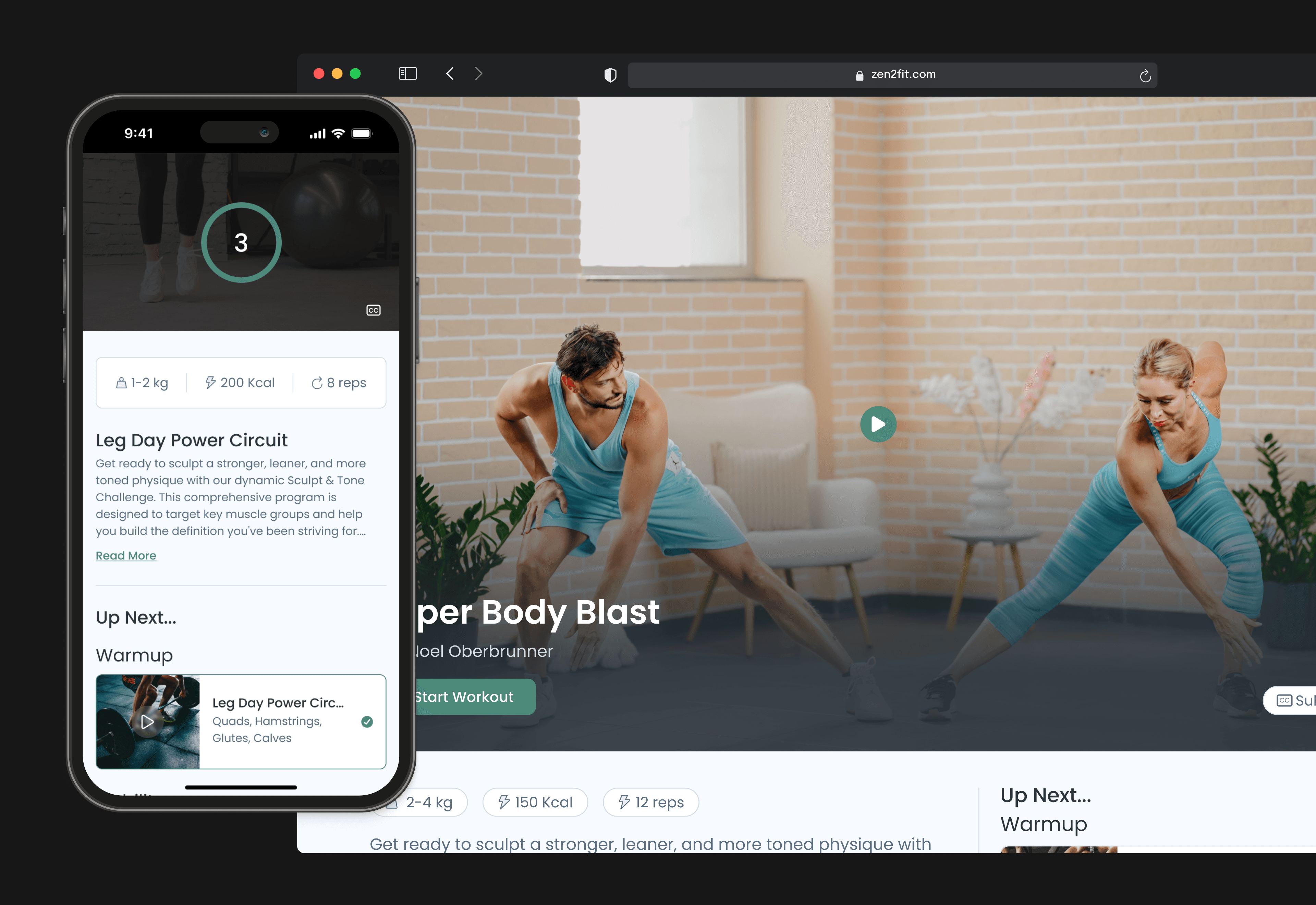
Streamlined Workout Navigation
We designed workout navigation around three dimensions (type, duration, and intensity) so users can find the right session fast. Filters and search let users jump straight to cardio, strength, or mindfulness content without browsing through irrelevant results.
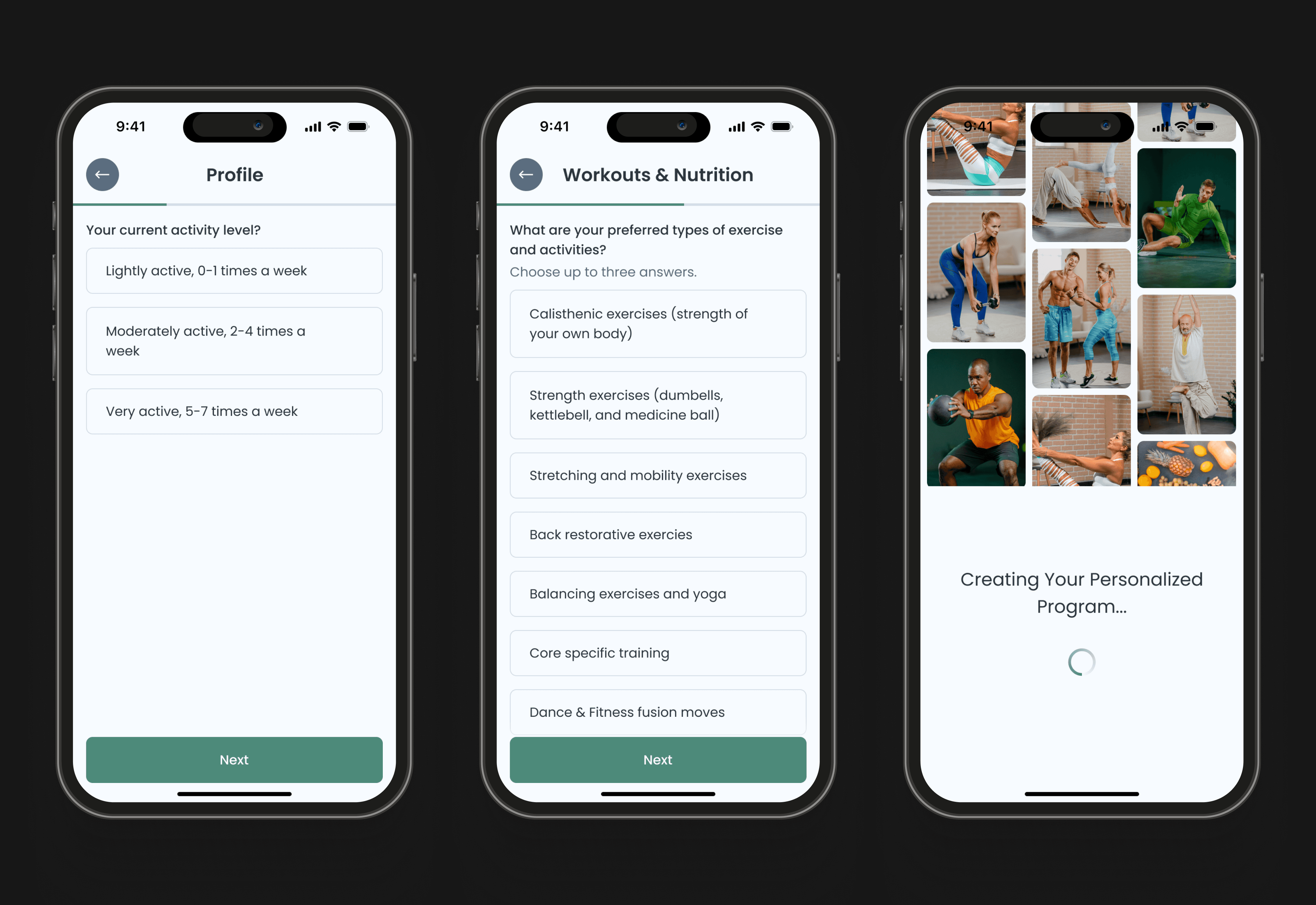
Personalized Workout Experience
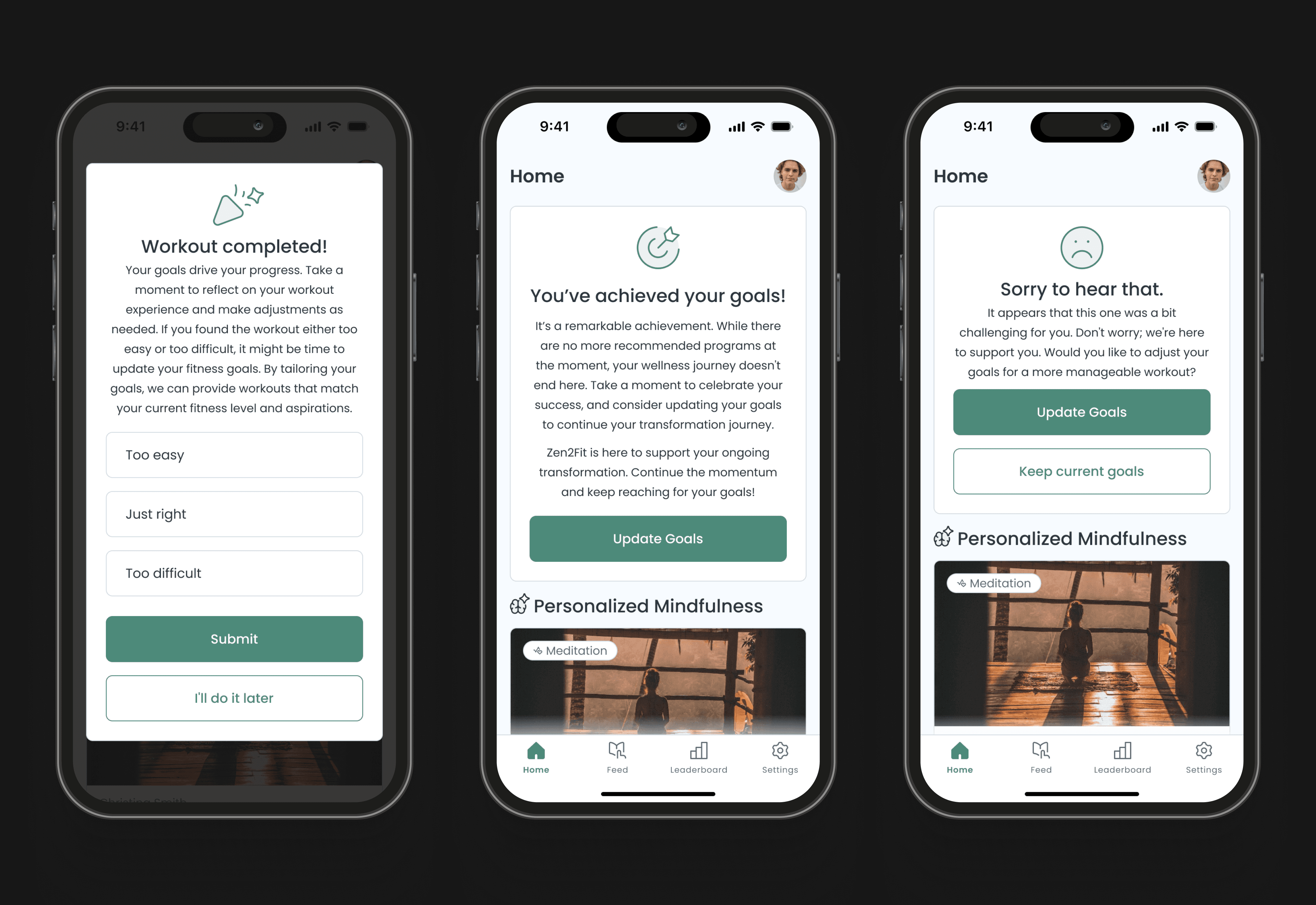
We built a programs questionnaire that curates workout suggestions based on each user's fitness history, preferences, and performance. As users complete workouts and update their goals, the recommendations adapt, keeping the content aligned with where they are now.
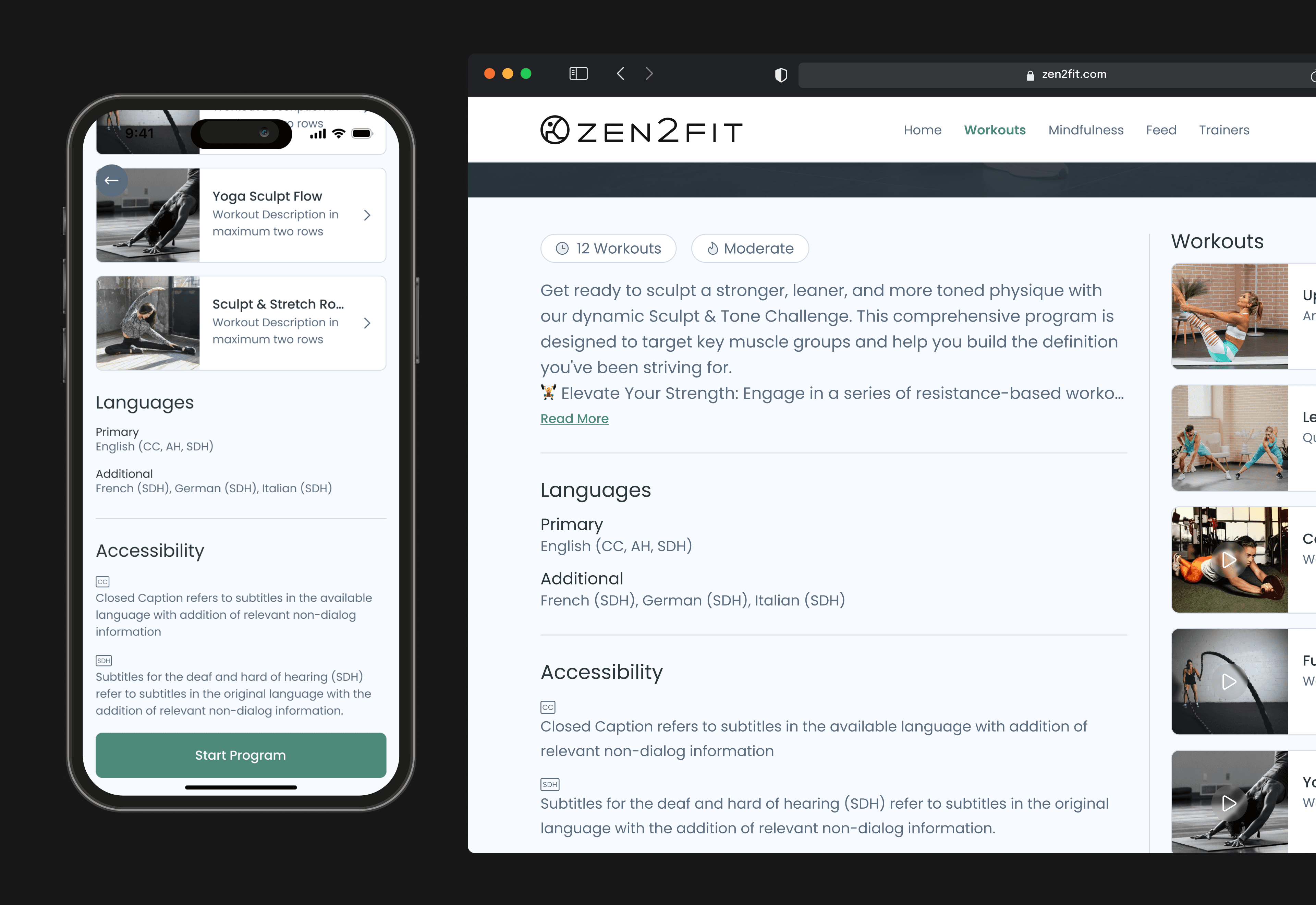
Accessible Design Considerations
Accessibility was a first-class requirement from the start. We added subtitles, high contrast ratios, and audio descriptions for all video content. Testing with users of diverse abilities helped us catch and fix barriers that would have excluded people from the experience.
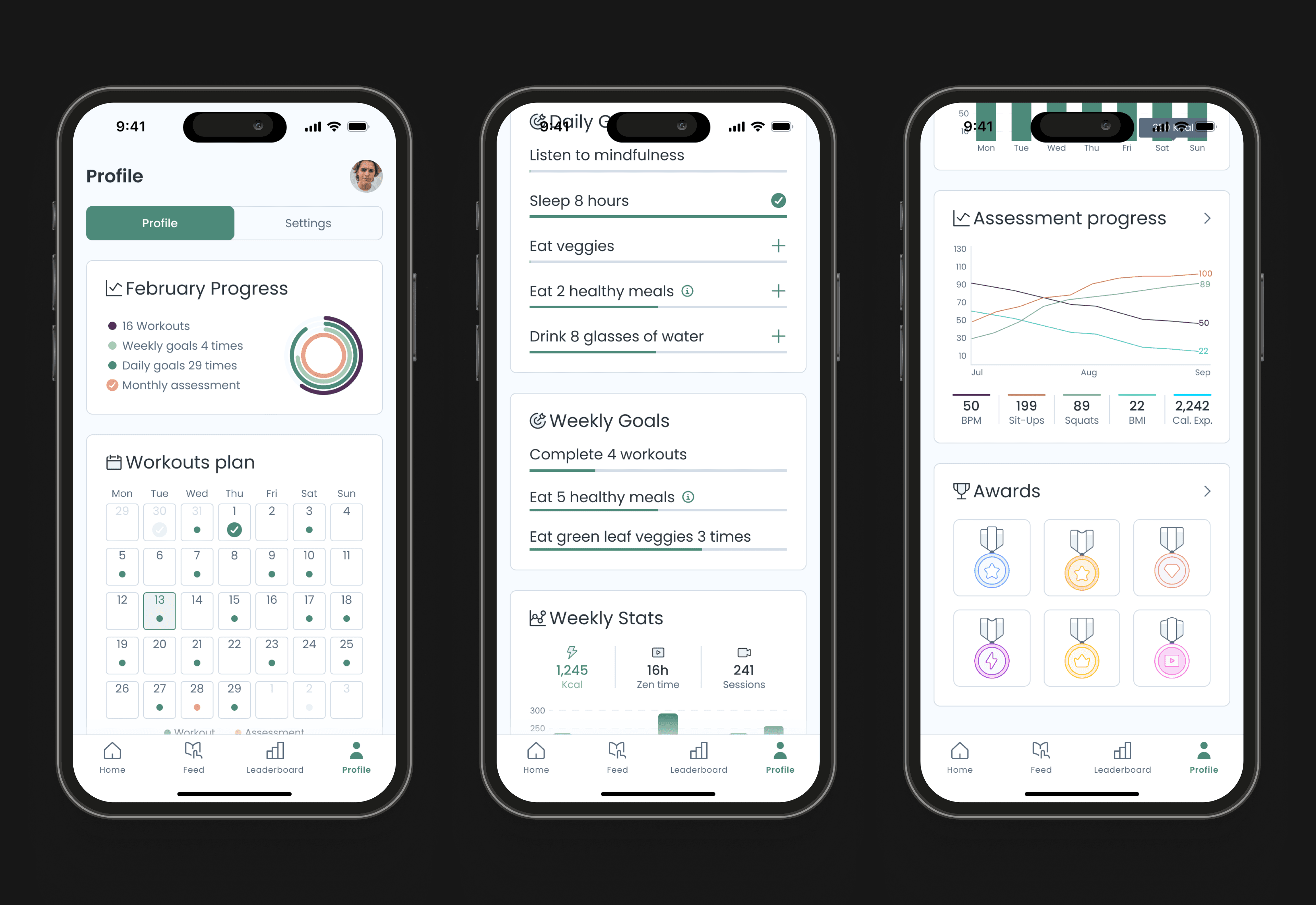
Interactive Workout Tracking
We designed tracking so users can log daily habits, monitor progress, and set personal goals all in one place. Real-time feedback and performance metrics give users a clear picture of where they stand, turning abstract effort into visible progress that motivates consistency.
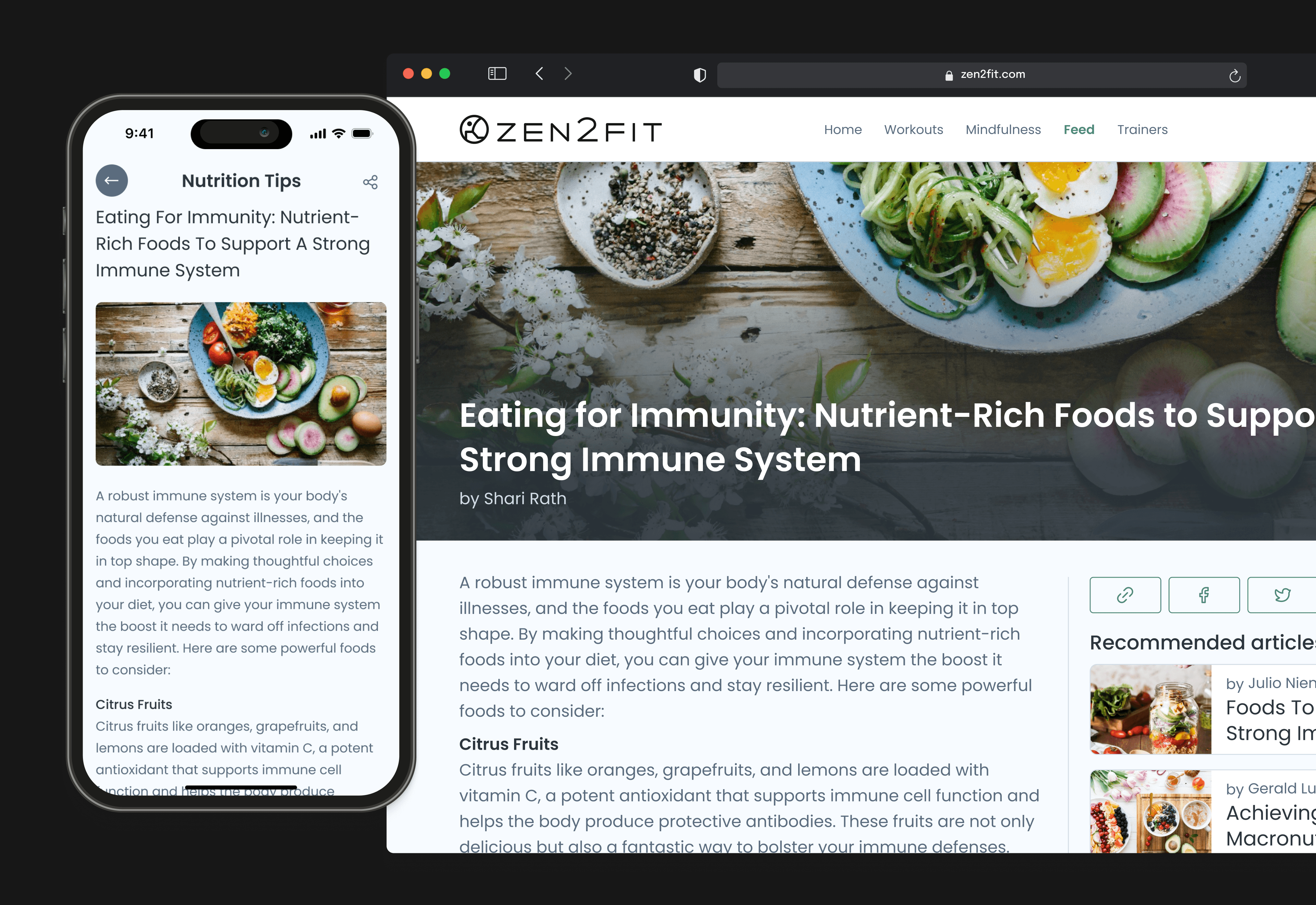
Comprehensive Fitness Resources
We built the content library to cover workout tutorials, exercise demos, nutrition tips, and recovery advice, giving users a complete fitness resource alongside their training. Gamified challenges push users to stay active and compete within their tier, building community while keeping engagement high.
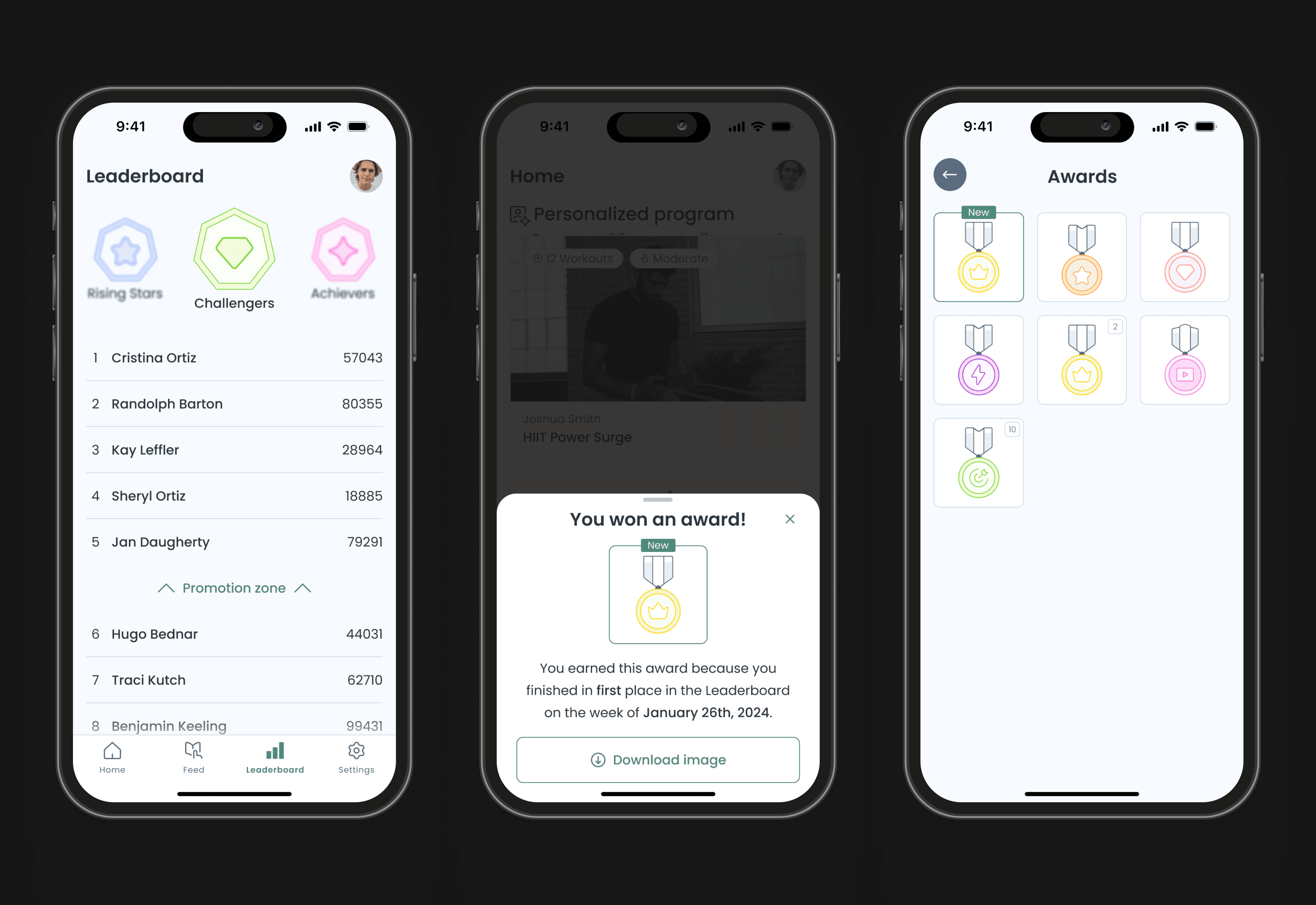
Gamification of Fitness
We added achievements and leaderboard challenges to tap into competitive motivation. Users earn rewards for hitting milestones and can see how they rank against others, giving daily workouts a sense of purpose beyond the session itself.
Continuous Feedback and Iterative Improvement
We set up in-app surveys, feedback forms, and analytics tracking to capture what users actually want and where they struggle. Regular design sprints let us act on that data quickly, shipping improvements and fixing pain points instead of guessing what to build next.
A Fitness App That Adapts With You
Zen2Fit delivers personalized workouts, accessible content, and gamified motivation in one cohesive app. Users get a fitness experience that adapts to their goals, keeps them engaged through competition and tracking, and remains inclusive regardless of ability.
I would have mapped the onboarding questions more tightly to what the app actually did with the answers. We designed the questionnaire to feel light and motivational, but some of what we collected did not drive visible personalisation at launch. Tightening that connection earlier would have made the experience feel more tailored from session one, which was the whole premise of the app.